

Physical damage insurance is defined as coverage that pays for harm to your own vehicle or equipment caused by collisions, theft, fire, and natural disasters. It does not cover medical bills, legal fees, or damage you cause to someone else’s property. Those costs fall under liability or medical payments coverage. For individuals with financed or leased vehicles, and for businesses running commercial fleets, physical damage coverage is often required by lenders. Understanding what it covers, what it excludes, and how to structure your deductible is the foundation of sound vehicle protection.
What does physical damage insurance actually cover?
Physical damage insurance is made up of two distinct coverages: collision and comprehensive. Each covers a different set of risks, and knowing the difference prevents costly surprises after a loss.
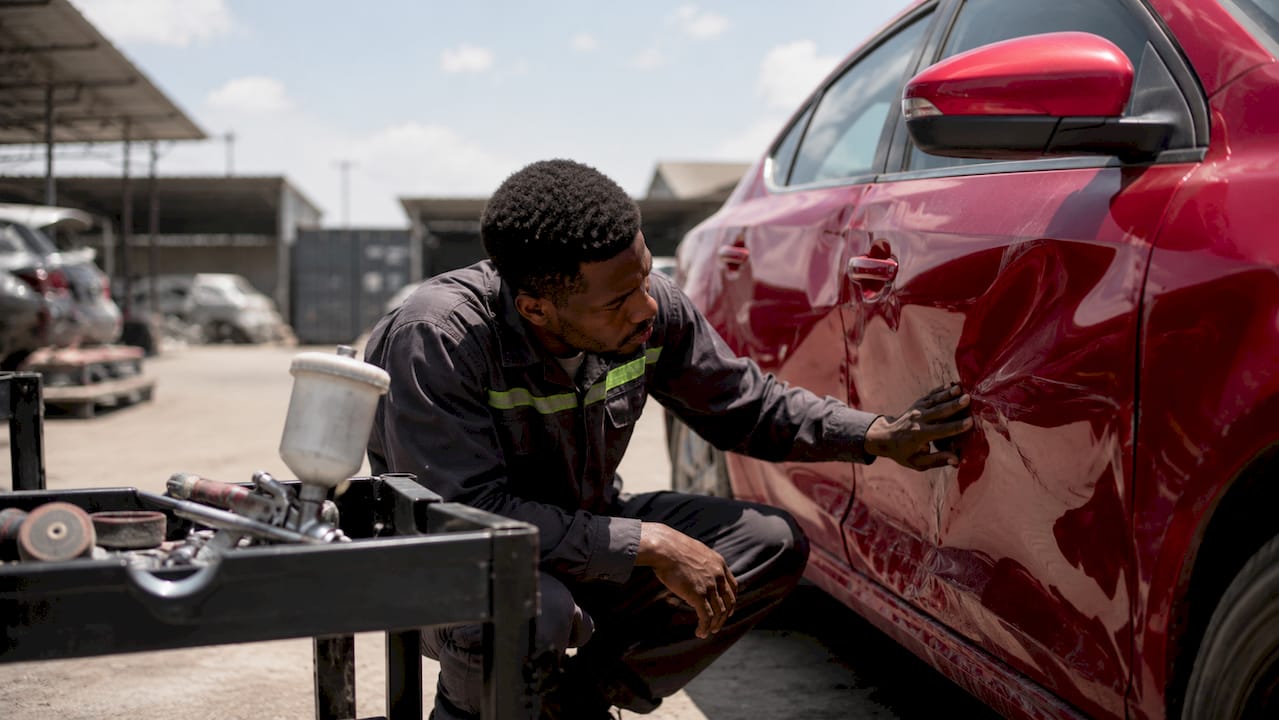
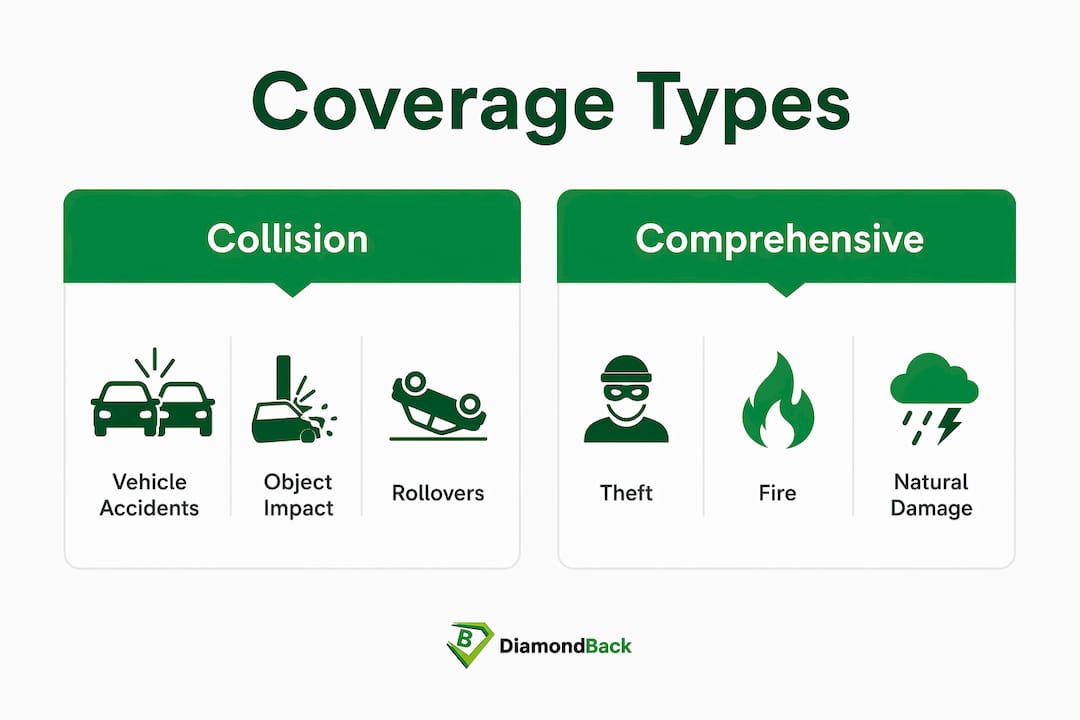
Collision coverage pays for damage to your vehicle when it hits another vehicle, strikes a stationary object, or rolls over. Collision pays regardless of fault, which is one of the most misunderstood features of this coverage. That means even if you caused the accident, your insurer still pays to repair or replace your vehicle, minus your deductible.
Comprehensive coverage handles losses that are not caused by a collision. Theft, fire, vandalism, hail, flooding, and animal strikes all fall under comprehensive. Many drivers think of comprehensive as the “everything else” bucket, and that framing is accurate enough to be useful.
| Coverage type | What it covers | Typical trigger |
|---|---|---|
| Collision | Accidents with vehicles, objects, rollovers | Impact event |
| Comprehensive | Theft, fire, weather, vandalism, animals | Non-collision event |
Deductibles for collision are typically higher than those for comprehensive, because collision claims are filed more frequently. You choose your deductible when you buy the policy, and that choice directly affects your premium. A higher deductible lowers your monthly cost but increases what you pay out of pocket after a claim.
Pro Tip: Set your collision deductible at an amount you can write a check for today without borrowing. If a $1,500 deductible would strain your cash flow, choose $500 even if the premium is slightly higher.
Both coverages together form what most people call “full coverage” when combined with liability. That phrase has no legal definition, but it signals that a driver carries the three core components of an auto insurance policy: liability, collision, and comprehensive.
How do commercial and personal physical damage policies differ?
The structure of vehicle damage protection changes significantly when you move from personal auto to commercial fleet coverage. The stakes are higher, the vehicles cost more, and a single claim can interrupt revenue.
Commercial physical damage insurance covers tractors, trailers, and heavy equipment against losses from collisions, theft, or hazards. It also includes options like rental reimbursement and downtime coverage to keep operations running after a loss. A personal auto policy rarely offers these endorsements, and when it does, the limits are modest.
Here is how the key differences break down for fleet operators:
1. Stated value per vehicle. Commercial policies are structured around the declared value of each individual unit. Coverage limits must be updated regularly to reflect current market values. An outdated value means you collect less than your truck is worth after a total loss.
2. Lienholder certificate management. If your equipment is financed, your lender must be listed as a loss payee on the policy. Maintaining lienholder certificate filings prevents lenders from placing forced coverage on your vehicles, which is almost always more expensive than what you would choose yourself.
3. Deductible tier selection. Commercial trucking deductibles typically exceed personal auto deductibles by a wide margin. Selecting the right tier means balancing premium savings against your ability to absorb a single large loss without parking equipment. A deductible that looks attractive on paper can shut down a truck for weeks if your cash reserves are thin.
4. Specialized endorsements. Downtime coverage pays for lost revenue while a truck is being repaired. Rental reimbursement covers the cost of a substitute vehicle. These endorsements are standard considerations for commercial operators and are worth pricing into every policy review. You can learn more about these options through resources on trucking operations protection.
5. Underwriting complexity. Personal auto underwriting is largely automated and based on driving record and vehicle type. Commercial underwriting examines cargo type, operating radius, driver history, and equipment age. That complexity is why working with a specialist matters.
Pro Tip: Review your stated vehicle values every policy term. Equipment markets shift, and an insured value that was accurate 18 months ago may leave you underinsured today.
What are the limits and pitfalls of automobile damage coverage?
Physical damage coverage has clear boundaries, and crossing them without understanding the rules costs money. The most common pitfall is assuming the coverage does more than it does.
Physical damage insurance does not cover medical bills, legal fees, or damage to another person’s property. If you rear-end another driver, your collision coverage pays for your vehicle. Their vehicle and their medical costs are covered by your liability insurance, not your physical damage coverage.
Rental vehicles add another layer of complexity. Your personal physical damage policy may extend to a rental car, but gaps exist for loss of use charges and diminished value. If you damage a rental and the company cannot rent it out during repairs, they may bill you for those lost rental days. Your personal policy typically does not cover that. A collision damage waiver from the rental company fills that gap.
Deductibles reset for every individual claim. If a hailstorm damages your truck in march and a collision occurs in july, you pay your deductible twice. That reality changes the math on whether to file small claims. If a repair costs $800 and your deductible is $750, filing the claim saves you $50 but may trigger a premium increase that costs far more over three years.
Pro Tip: Before filing a claim, get a repair estimate and compare it to your deductible. If the difference is less than $300, paying out of pocket often costs less over time than absorbing the premium impact of a filed claim.
The decision of when to file a damage claim is as important as having the coverage in the first place. Treat your policy as protection against large, unexpected losses, not a maintenance fund for minor repairs.
How to select the right physical damage coverage for your needs
Choosing the right policy starts with an honest assessment of your risk exposure and financial position. The goal is coverage that protects you from losses you cannot absorb, at a cost you can sustain.
1. Assess your vehicle’s value and usage. A high-mileage personal vehicle worth $8,000 may not justify the cost of collision coverage if the premium plus deductible approaches the vehicle’s value. A commercial truck worth $120,000 generating daily revenue is a different calculation entirely.
2. Match your deductible to your cash reserves. The deductible should correspond to reserves you can pay without disrupting operations or personal finances. Selecting the lowest deductible solely to save on premiums is a common error. The right deductible is the highest amount you can pay comfortably after a loss.
3. Keep insured values current. For commercial fleets, coverage limits configured per vehicle must reflect current replacement costs. For personal vehicles, check your policy’s actual cash value calculation annually. Depreciation reduces what you collect, and knowing that in advance avoids surprises.
4. Verify lender requirements. Financed and leased vehicles carry minimum coverage requirements set by the lender. State laws mandate liability insurance, but lenders require physical damage coverage on top of that. Dropping collision or comprehensive on a financed vehicle violates your loan agreement and can trigger forced coverage placement.
5. Work with a specialist. Personal auto coverage is straightforward enough for most online platforms. Commercial trucking coverage requires someone who understands operating authority, cargo classifications, and multi-unit fleet structures. A specialist familiar with transportation coverage options will identify gaps a generalist misses.
Key Takeaways
Physical damage insurance is the only coverage that pays to repair or replace your own vehicle after a collision, theft, fire, or weather event, making it indispensable for financed vehicles and revenue-generating commercial equipment.
| Point | Details |
|---|---|
| Two-part structure | Physical damage coverage combines collision and comprehensive; each covers different loss types. |
| Deductible discipline | Set your deductible at the amount you can pay out of pocket without borrowing or halting operations. |
| Commercial complexity | Commercial policies require stated value updates, lienholder filings, and specialized endorsements. |
| Coverage boundaries | Physical damage does not cover medical bills, legal fees, or third-party property damage. |
| Claim strategy | Compare repair costs to your deductible before filing; small claims can cost more in premium increases. |
“Full coverage” is not a policy: what I’ve learned from years in commercial insurance
The phrase “full coverage” is one of the most expensive misconceptions in the insurance industry. It has no legal meaning, yet drivers and fleet operators use it constantly as if it guarantees complete protection. What it actually describes is a combination of liability, collision, and comprehensive. Whether those limits are adequate for your situation is a separate question entirely.
I have seen fleet operators carry collision and comprehensive on trucks valued at $150,000 with stated values frozen at $90,000 from three years prior. They believed they were fully covered. After a total loss, the gap between the settlement and the replacement cost came out of their operating capital. That is a preventable outcome, and it happens because policy reviews get skipped during busy seasons.
The other pattern I see repeatedly is operators choosing the lowest available deductible to reduce premiums, then struggling to pay even that amount after a claim. The deductible is not a formality. It is a real financial obligation that comes due at the worst possible moment. Your deductible should be sized to your actual cash position, not your optimistic projection of it.
Proactive management of your physical damage policy, reviewing values, confirming lienholder certificates, and pricing endorsements annually, costs very little time and prevents very large losses. Treat your policy like your equipment: inspect it regularly, and address problems before they become emergencies.
— Vladimir
Physical damage coverage for commercial fleets with Diamondbackins
Diamondbackins specializes in commercial trucking insurance for fleet operators across Georgia, Virginia, and nationwide. The platform aggregates quotes from multiple top-rated insurers, so you can compare commercial trucking coverage options side by side without spending hours on the phone.
For fleet managers who need collision and comprehensive coverage structured around stated vehicle values, lienholder filings, and downtime endorsements, Diamondbackins provides instant online quotes tailored to your operation. You can get a truck insurance quote in minutes and purchase coverage directly through the platform. Protecting your revenue-generating assets starts with getting the right numbers in front of you fast.
FAQ
What is physical damage insurance in simple terms?
Physical damage insurance pays to repair or replace your own vehicle after a collision, theft, fire, or weather event. It does not cover injuries or damage to other people’s property.
Is physical damage coverage required by law?
State laws require liability insurance, but physical damage coverage is optional unless your vehicle is financed or leased. Lenders require collision and comprehensive on financed vehicles to protect their collateral.
How does a deductible work in a physical damage claim?
Your insurer subtracts your deductible from the claim settlement, and you pay that amount directly to the repair shop or adjuster. In a total loss, the settlement minus the deductible goes to the loss payee or you.
Does physical damage insurance cover rental cars?
Your personal physical damage policy may extend to a rental vehicle, but it often excludes loss-of-use charges and diminished value. A collision damage waiver from the rental company covers those gaps.
What is the difference between collision and comprehensive coverage?
Collision covers damage from impacts with vehicles, objects, or rollovers, regardless of fault. Comprehensive covers non-collision events like theft, fire, hail, flooding, and animal strikes.