

Usage-based insurance (UBI) is defined as a pricing model that calculates your premium based on how you actually drive, not on demographic averages or ZIP code statistics. Traditional auto and commercial insurance charges everyone in a risk category roughly the same rate, regardless of individual behavior. UBI breaks that mold by using telematics technology to track real driving data and reward responsible drivers with lower premiums. For fleet managers, owner-operators, and individual drivers evaluating their options in 2026, understanding why choose usage-based insurance comes down to one core idea: you pay for the risk you actually create, not the risk your age group or address suggests.
Why choose usage-based insurance over traditional pricing?
Usage-based insurance shifts pricing away from demographic proxies and toward actual driving behavior, which is a fundamental change in how risk gets priced. Traditional insurers rely on factors like age, credit score, and location to estimate risk. Those factors correlate with accidents statistically, but they do not measure what you do behind the wheel.
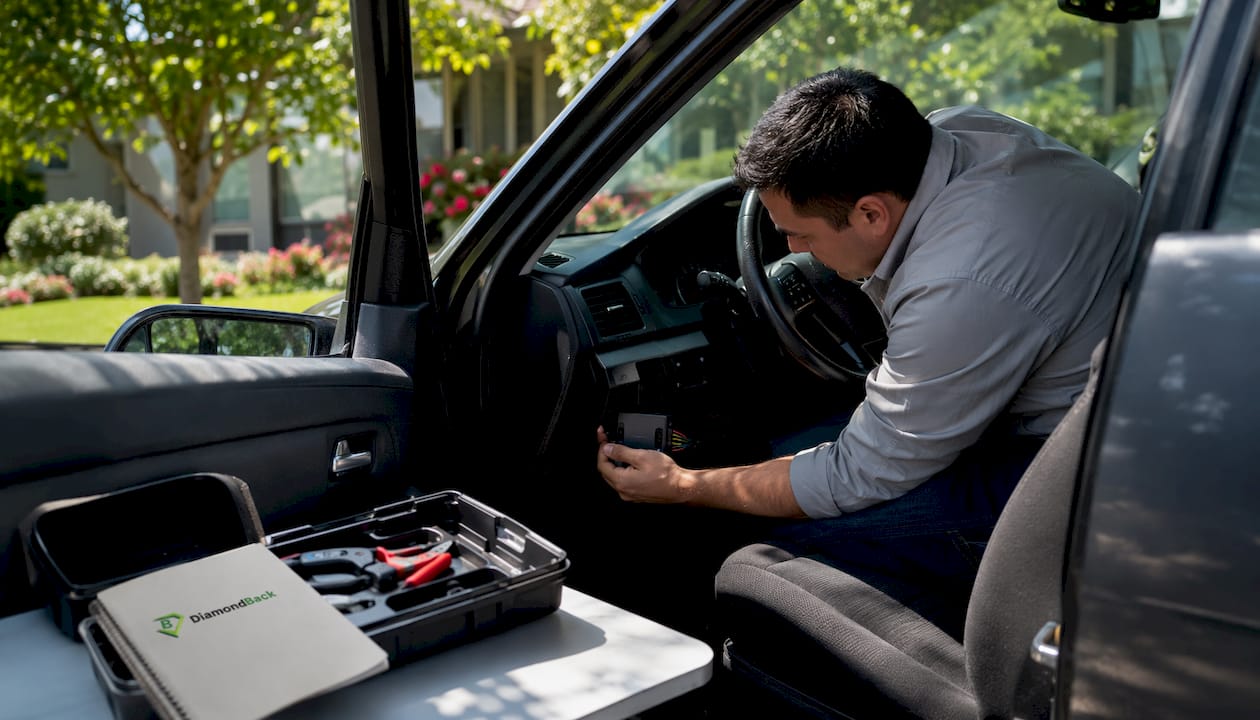
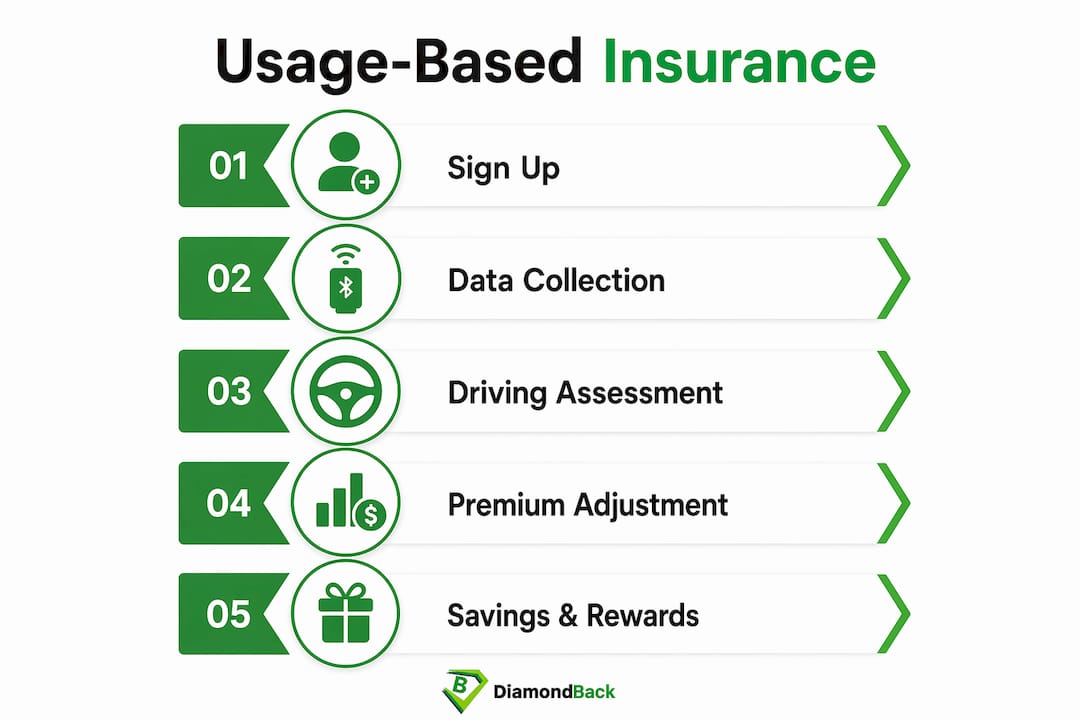
UBI replaces those proxies with direct evidence. Your insurer collects data through a smartphone app or a plug-in telematics device installed in your vehicle. That data feeds into a driver score, which then determines your premium at renewal or, in some programs, on an ongoing basis.
The fairness argument is straightforward. A 45-year-old who brakes hard, speeds regularly, and drives at 2:00 AM poses more real risk than a 22-year-old who drives calmly during daylight hours. Traditional pricing would likely charge the younger driver more. UBI prices the actual risk correctly.
How does usage-based insurance work to determine your premium?
Telematics programs collect data including speed, hard braking, rapid acceleration, time of day, total mileage, and phone use while driving. Each data point contributes to a composite driver score. Insurers then use that score to calculate your discount or surcharge relative to a base rate.
Three main UBI pricing models exist in the market today:
- Pay-as-you-drive (PAYD): Your premium scales primarily with total miles driven. Drivers who cover fewer miles pay less, regardless of driving style.
- Pay-how-you-drive (PHYD): Your premium reflects driving behavior, including braking patterns, speed, and cornering. Mileage matters less than how you handle the vehicle.
- Hybrid models: These combine mileage and behavior scoring. Most commercial fleet programs use this approach because it captures both exposure and risk quality.
Enrollment typically comes with an immediate participation discount just for signing up. After an assessment period, your ongoing rate adjusts based on your accumulated score. Some programs adjust premiums continuously throughout the policy term, while others lock in a rate at renewal based on the prior period’s data. That difference matters for rate predictability, so you should ask your insurer which regime applies before enrolling.
Pro Tip: Ask your insurer whether your rate can increase mid-term based on telematics data, or whether adjustments only happen at renewal. Programs that lock rates at renewal give you more financial predictability.
What are the advantages and benefits of usage-based insurance?
The financial case for UBI is strong for responsible drivers. Discounts can reach up to 40% for drivers who score well on insurer metrics. That is not a marginal saving. On a $3,000 annual commercial vehicle premium, a 40% reduction means $1,200 back in your pocket each year.
Beyond raw savings, UBI delivers several structural advantages:
- Fairer cross-subsidy elimination: Under traditional pricing, low-risk drivers effectively subsidize high-risk drivers in the same rating tier. UBI addresses this cross-subsidy problem by charging each driver closer to their actual risk level.
- Real-time coaching: Many UBI apps flag risky patterns like sudden braking or phone distraction and provide feedback after each trip. Apps that surface these patterns help drivers correct habits before they cause accidents or raise scores.
- Claims protection: Telematics data supports accident investigations by providing objective records of speed, location, and braking at the time of a collision. That evidence protects you from fraudulent claims and speeds up resolution.
- Environmental benefit: Pay-as-you-drive programs create a financial incentive to reduce unnecessary mileage, which cuts fuel costs and emissions simultaneously.
UBI empowers policyholders by placing premium control directly in their hands. That shift in control is why 88% of UBI policyholders intend to renew their policies. High retention signals genuine satisfaction, not just inertia.
Who benefits most from usage-based insurance?
UBI delivers the clearest value to drivers who cover fewer miles than average. Drivers below the 2026 US average of 13,500 miles per year see the most meaningful premium reductions under pay-as-you-drive programs. If you run a local delivery operation, a small service fleet with predictable routes, or you drive primarily during business hours, UBI likely works in your favor.
Fleet managers benefit from an additional layer of value. Telematics data gives you visibility into driver behavior across your entire operation. You can identify which drivers need coaching, which routes generate the most hard-braking events, and where your risk exposure is concentrated. That data feeds directly into safety programs and risk management decisions, not just insurance pricing. For more on how telematics shapes fleet risk, the Diamondbackins guide on fleet risk and cost covers this in depth.
UBI is less suitable for certain driver profiles. Nighttime driving and high annual mileage can negatively affect your score even if your driving technique is sound. Algorithms penalize late-night trips because the statistical accident risk is higher at those hours, regardless of individual caution. Long-haul truckers, night-shift workers, and drivers with highly variable schedules may find that UBI scores work against them.
Privacy is a real consideration. Telematics programs collect location data, trip histories, and behavioral patterns continuously. You should review each insurer’s data retention and sharing policies before enrolling. Some programs share data with third parties; others keep it strictly for underwriting.
Pro Tip: Before enrolling, request a sample scoring report from your insurer. Understanding exactly which behaviors affect your score, and by how much, lets you set realistic expectations and avoid surprises at renewal.
How can you apply UBI to reduce costs and manage coverage?
Evaluating whether UBI fits your situation starts with an honest assessment of your driving patterns. Pull your last 12 months of mileage from your vehicle records or fleet management system. Compare that figure against the 13,500-mile national average. If you are well below it, a pay-as-you-drive program likely saves you money from day one.
Follow these steps to evaluate and enroll effectively:
- Audit your driving profile. Document total annual mileage, typical driving hours, and route types for each vehicle. Flag any vehicles with irregular schedules or nighttime use.
- Compare scoring methodologies. Different insurers weight speed, braking, and time of day differently. Request the scoring criteria in writing before committing.
- Understand the discount timing. Confirm whether your enrollment discount is immediate and whether ongoing adjustments happen mid-term or only at renewal.
- Use the coaching data actively. Do not treat the app as just a monitoring tool. Review trip reports weekly and address recurring issues like hard braking or phone use with your drivers.
- Integrate telematics into fleet safety programs. Use the data to set benchmarks, recognize top-performing drivers, and build a safety culture that reduces claims over time.
For businesses managing multiple vehicles, reviewing your fleet coverage regularly alongside UBI data creates a feedback loop that continuously lowers your risk profile and your premiums. The fleet manager’s insurance guide from Diamondbackins covers how to structure that review process for 2026.
Key Takeaways
Usage-based insurance delivers real premium savings and fairer pricing for drivers who log fewer miles, drive safely, and operate during lower-risk hours.
| Point | Details |
|---|---|
| Discounts up to 40% | Responsible drivers can earn significant premium reductions based on telematics scoring. |
| Fairness in pricing | UBI eliminates cross-subsidies by charging each driver based on actual behavior, not group averages. |
| Telematics protects claims | Objective trip data defends against fraudulent claims and speeds up accident resolution. |
| Not ideal for all drivers | Nighttime drivers and high-mileage operators may see limited savings or score penalties. |
| Fleet value beyond premiums | Telematics data supports driver coaching, safety programs, and risk management decisions. |
My honest assessment of usage-based insurance in 2026
I have spent years watching the insurance industry resist change, so UBI genuinely stands out as a pricing shift that benefits the right people. The fairness argument is not just marketing. Safe drivers have been subsidizing reckless ones for decades under traditional rating systems. UBI corrects that, and the 88% renewal rate among policyholders tells you the model earns its keep.
That said, I have seen drivers enroll without reading the fine print on scoring methodology, then feel blindsided when nighttime driving tanks their score despite careful technique. The algorithm does not know you are a cautious driver at midnight. It knows the statistical risk of midnight driving, and it prices accordingly. That is not a flaw in the system. It is a limitation you need to account for before you sign up.
My advice: treat UBI as a tool, not a guarantee. If your driving profile fits the model, the savings are real and the coaching data is genuinely useful. If your schedule involves irregular hours or high mileage, run the numbers carefully before committing. The transparency UBI offers is its greatest strength. Use it.
— Vladimir
Diamondbackins can help you find the right coverage
Commercial vehicle and fleet insurance decisions carry real financial weight. Diamondbackins specializes in connecting fleet managers, owner-operators, and transportation businesses with instant, tailored quotes from multiple top insurers.
Whether you are evaluating usage-based options for a single truck or a full fleet, Diamondbackins makes it straightforward to compare coverage types and pricing models side by side. The platform’s service truck coverage guide walks fleet managers through the coverage categories that matter most, including telematics-linked options. For instant quotes on commercial trucking coverage, visit Diamondbackins and get your options in minutes.
FAQ
What is usage-based insurance?
Usage-based insurance is a pricing model that calculates your premium based on telematics data from your actual driving, including mileage, speed, braking, and time of day, rather than demographic averages.
How much can you save with usage-based insurance?
Responsible drivers can receive discounts up to 40% depending on their insurer’s scoring criteria and driving performance over the assessment period.
Is usage-based insurance worth it for fleet owners?
UBI is worth it for fleets with predictable routes and daytime operations. Beyond premium savings, telematics data supports driver coaching and risk management across the entire fleet.
Can usage-based insurance raise your rates?
Yes. Some programs adjust premiums continuously based on ongoing driving data, which means poor scores can increase your rate mid-term or at renewal.
Does telematics data help with accident claims?
Telematics records of speed, location, and braking provide objective evidence in accident investigations, protecting drivers from fraudulent claims and accelerating claim resolution.