
Buying your first boat is exciting. Whether it’s a small fishing vessel or a family pontoon, the freedom of being on the water is unmatched. But one of the most common questions new owners ask is simple: Can you get boat insurance with no experience?
The short answer is yes — but there are important details you should understand before requesting coverage.
Can You Get Boat Insurance with No Boating Experience?
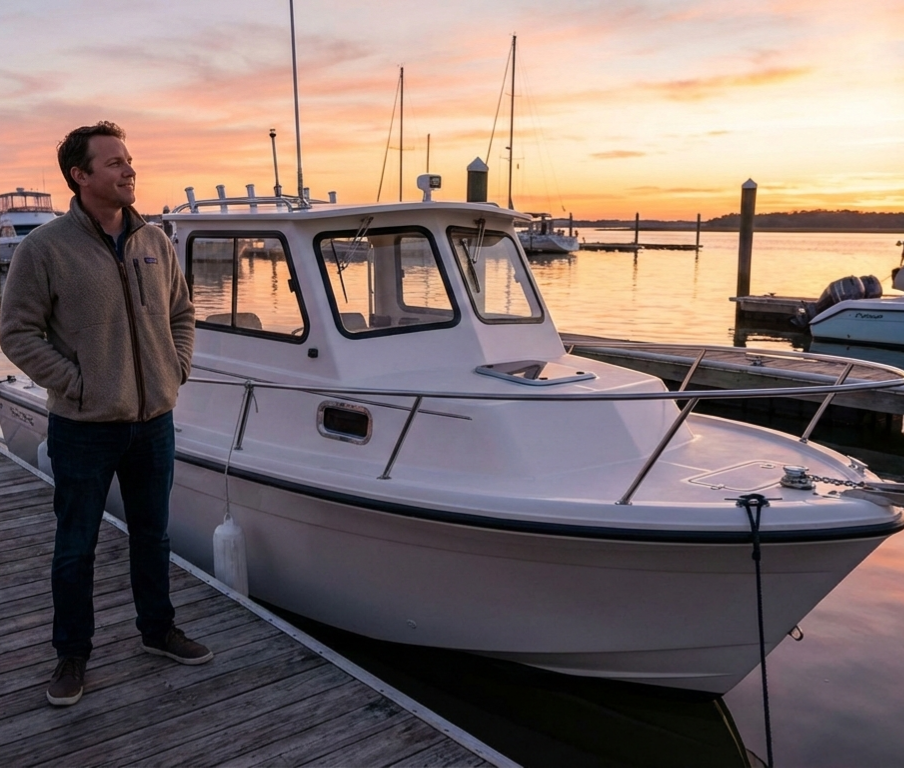
Insurers evaluate risk differently when an operator has limited time on the water, as limited experience can influence underwriting decisions and pricing considerations. However, carriers do not rely on experience alone when determining eligibility or terms. Instead, they assess a broader risk profile to evaluate how and where the vessel will operate.
Underwriters may review:
- Type and size of the vessel
- Horsepower and speed capability
- Intended use (recreational, fishing, etc.)
- Geographic location
- Safety course completion
Additionally, insurers may consider storage arrangements, navigational limits, and prior loss history, if any. As a result, experience is just one factor in the overall assessment. Vessel type, operating environment, and a demonstrated commitment to responsible boating practices often carry equal or greater weight in the underwriting process.
Will Lack of Experience Increase the Cost?
Not automatically. While experience can influence underwriting decisions, many insurers focus more heavily on:
- Claims history
- Credit-based insurance factors (where applicable)
- Boating safety certifications
- Storage and marina arrangements
In many cases, completing a certified boating safety course can improve eligibility and demonstrate responsibility.
Are There Boats That Are Harder to Insure for Beginners?
Yes. High-performance boats, larger yachts, and vessels with significant horsepower may require prior boating experience. In such cases, insurers often evaluate your operating history, certifications, or prior ownership to assess risk more accurately. Additionally, they may impose navigational limits or require completion of a recognized safety course before offering coverage. As a result, demonstrating experience or a willingness to complete training can improve eligibility and potentially lead to more favorable terms. Conversely, first-time owners who choose smaller, lower-horsepower vessels often face fewer underwriting requirements.
For first-time owners, starting with:
- Pontoon boats
- Small center consoles
- Modest fishing boats
often leads to smoother underwriting and faster approval.
What Coverage Should First-Time Boat Owners Consider?
Even with no experience, coverage fundamentals remain the same, as insurers structure policies around the vessel and its intended use rather than solely on the operator’s background. In other words, first-time owners typically access the same core protections as seasoned boaters, although underwriting terms may vary. Policies may include:
- Physical damage protection
- Liability coverage
- Medical payments
- Uninsured boater coverage
- Towing and assistance
Understanding your policy structure, coverage limits, and deductibles is essential; however, many new owners overlook these details during the purchase process. Therefore, reviewing the terms carefully and asking clarifying questions helps ensure the coverage aligns with your boating plans and risk exposure.
How Can First-Time Owners Get Coverage Quickly?
Today’s digital insurance tools simplify the process significantly.
With modern platforms, new boat owners can access:
- instant online quotes
- Instant online binding
- Instant online insurance proposal
This allows first-time boaters to review options, compare protection levels, and secure coverage efficiently without delays.
Is Boat Insurance Required?
Requirements vary by state and marina, and while some states do not legally mandate boat insurance, lenders and marinas often require proof of coverage before financing or docking. As a result, even boat owners in states without strict insurance laws may still need coverage to move forward with a purchase or secure a slip. Additionally, liability exposure on the water can be significant, especially in busy or high-traffic areas. Therefore, insurance protects not only your vessel but also your financial stability in the event of an accident or claim.
Final Thoughts for Boat Insurance with No Experience
Having no boating experience does not prevent you from getting insured; however, it does mean insurers may consider additional factors to assess risk responsibly. For example, they may review the type and size of the vessel, where you plan to operate it, and whether you have completed any boating safety education. As a result, taking a safety course, choosing the right vessel for your skill level, and working with an experienced insurance agency can help streamline the approval process and make the experience smooth and straightforward.
For Instant Boat Insurance Quote, visit: https://diamondbackins.com/boat-insurance-instant-online-quote/.