

Yes, you can bundle home and flood insurance, but the word “bundle” needs a qualifier: you’re almost always coordinating two separate contracts through one agent, not buying a single blended policy. FEMA and the National Flood Insurance Program (NFIP) back most flood policies, and the flood contract stays distinct from your homeowners policy even when the same company sells both. Your next move is simple: check your FEMA flood zone, then request declarations pages for both coverages.
Pro Tip: Communities with a strong Community Rating System (CRS) score already earn you an automatic flood discount, so ask your agent to confirm your community’s class before you shop around.
Before you call anyone, gather these:
- Your property address and current flood zone designation
- Mortgage lender name and loan contact information
- Current homeowners declarations page
- Current flood declarations page (if you already have one)
Key Takeaways
Coordinating home and flood coverage protects you better than chasing a bundling discount, since NFIP and private policies differ in limits, exclusions, and timing.
| Point | Details |
|---|---|
| Bundling means packaging, not one policy | NFIP flood contracts stay legally separate from homeowners policies even when sold by the same agent. |
| Mind the 30-day waiting period | Buy flood coverage well before storm season; NFIP policies don’t activate for 30 days in most cases. |
| Compare limits line by line | Check NFIP’s $250,000 building and $100,000 contents caps against your homeowners contents limit for gaps. |
| Mitigation beats bundling on savings | CRS discounts (5% to 45%) and first floor height upgrades deliver more predictable savings than packaging alone. |
| Use one platform to compare options | Diamondbackins lets you request quotes and review declarations pages for home and flood coverage in one place. |
Table of Contents
- How Does Bundling Home and Flood Insurance Actually Work?
- What Steps Should You Take to Coordinate Both Policies?
- What Should You Compare on the Declarations Pages?
- Which Discounts Actually Lower Your Flood Premium?
- Get Coordinated Home and Flood Quotes in One Place
- Frequently Asked Questions
- Sources
How Does Bundling Home and Flood Insurance Actually Work?
“Bundling” flood coverage rarely means what it means for auto and home policies. With auto and home, one carrier often issues a genuine multi-line discount on a linked policy. Flood insurance works differently because most of it flows through the NFIP, a federal program with standardized pricing and rules that individual carriers can’t rewrite into a single combined contract.
What you’re really doing is packaging: buying two coordinated policies, often through the same agent or the same online account, so you get one point of contact and sometimes one bill. The underlying flood policy stays a separate legal contract from your homeowners policy unless a carrier specifically issues an endorsement, which is uncommon in the flood market.
Here’s the practical divide:
- NFIP flood policies: standardized coverage, government backed, sold through participating insurers and agents, limited customization
- Private flood policies: sold directly by private carriers, often higher limits, more flexible terms for basements and detached structures, but availability and pricing vary by carrier and state
Either way, ask your agent directly which type they’re offering. If you own a mixed-use property or run a business from home, it’s worth reviewing company vehicle maintenance checklist as well to help maintain your fleet safely, since commercial structures often carry different flood requirements than a primary residence.
What Steps Should You Take to Coordinate Both Policies?
Work through these five steps in order, and you’ll avoid the two most common mistakes: buying flood coverage too late and discovering a coverage gap after a claim.
- Check your flood zone and lender requirements. Pull up the FEMA flood map for your address and ask your lender whether flood insurance is mandatory for your loan. Note that new NFIP policies carry a standard 30-day waiting period before coverage takes effect.
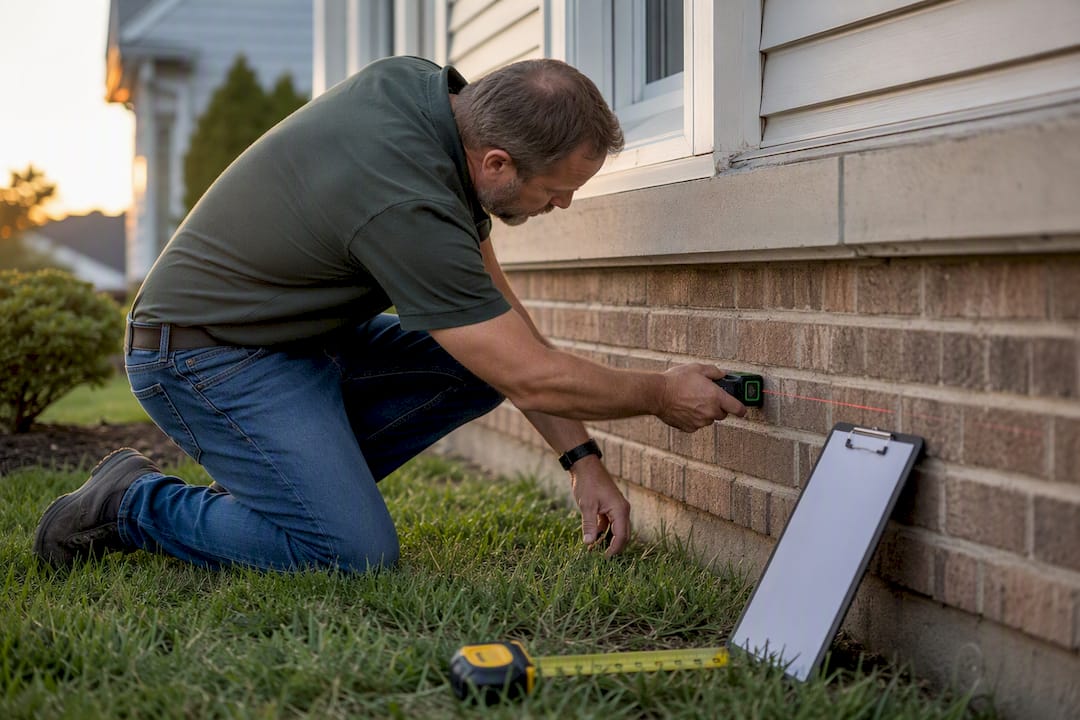
- Gather your paperwork. Collect your current declarations pages and, if you have one, an elevation certificate. This document records your home’s first floor height relative to base flood elevation, and it directly affects your premium.
- Ask about packaging. Call your current homeowners insurer or agent and ask whether they sell NFIP policies or private flood products. Request a bundled quote alongside a separate-policy comparison so you can see the real price difference.
- Compare limits and deductibles. Lay both declarations pages side by side and check for mismatches in coverage amounts, deductibles, and exclusions before you sign anything.
- Confirm your effective date. If you’re switching carriers or adding private flood coverage, verify the start date against the NFIP’s 30-day rule and your lender’s deadline so you’re never uninsured for a stretch.
Pro Tip: Never wait for a hurricane watch to buy flood coverage. The 30-day waiting period means a policy purchased during an active storm warning likely won’t cover that storm at all. Buy in the calm months, not the panic weeks.
If you’d rather not chase down every data point yourself, a questionnaire-style intake tool can help you organize the same kind of information insurers need for a fast, accurate quote.
What Should You Compare on the Declarations Pages?
This is where coverage gaps actually happen, and it’s the single most skippable step homeowners regret skipping. Set both declarations pages next to each other and check these line items one by one:
- Building vs. contents limits. Standard NFIP policies cap building coverage at $250,000 and contents at $100,000, while private flood products may offer higher limits on both.
- Basements and detached structures. NFIP and private policies treat finished basements, garages, and outbuildings differently, and this is a frequent source of surprise denials.
- Deductibles and claims order. Confirm whether deductibles apply per occurrence or separately per policy, and ask how claims get processed when both a homeowners and a flood claim result from the same storm.
- Exclusions and definitions. Sewer backup and water damage from a burst pipe are often excluded from flood policies and only partially covered by homeowners policies, so read the exact wording, not the summary.
- Replacement cost vs. actual cash value. Check whether your homeowners policy pays replacement cost while your flood contents coverage pays actual cash value, since that mismatch can shrink your payout substantially after a loss.
Here’s a real mismatch homeowners run into constantly: a $400,000 house insured for $200,000 in contents under the homeowners policy, but only $100,000 in contents under an NFIP flood policy because that’s the program’s contents ceiling. If a flood destroys your furniture and electronics, the flood policy won’t fully replace them even though your homeowners policy implies broader coverage. For a deeper look at how NFIP and private flood terms diverge, this coverage comparison walks through the exclusions most homeowners miss.
One more note on sizing your homeowners policy itself: coverage should reflect your home’s replacement cost, not its market value or purchase price. Most carriers apply an 80% rule, meaning you need to insure at least 80% of replacement cost to avoid a coinsurance penalty on partial losses. On a $400,000 replacement-cost home, that’s a $320,000 floor, and most homeowners are better served insuring closer to full replacement cost anyway.
Which Discounts Actually Lower Your Flood Premium?
Bundling discounts on NFIP policies are rare, so don’t count on packaging alone to save you money. The bigger levers are your community’s flood management rating and your home’s physical mitigation features.
FEMA’s Community Rating System rewards communities that go beyond minimum floodplain management requirements. Classes run from 1 to 10, and participating communities can earn automatic NFIP discounts ranging from 5% to 45%, applied at the policy level using your community’s identification number. You don’t apply for this discount yourself. FEMA’s rating engine calculates it automatically based on your address, though it’s still worth confirming with your agent that it’s showing up correctly.
Mitigation moves tend to deliver more predictable savings than any bundling arrangement:
- First floor height (FFH): raising your home’s lowest floor above base flood elevation
- Flood openings: installing engineered vents that let water flow through enclosed areas instead of pressuring your foundation
- Elevating machinery and equipment: raising HVAC systems, water heaters, and electrical panels above expected flood levels
FEMA notes that these mitigation-based discounts often deliver more consistent long-term savings than bundling. Under Risk Rating 2.0, mitigation credits and constants are applied before the CRS class discount multiplies the premium, so a mitigation investment can compound with your community discount rather than compete with it.
Newly mapped properties may also qualify for statutory discounts that produce large first-term reductions, though renewal-year caps limit how those savings carry forward. When you talk to an agent, ask three specific questions: what mitigation credits apply to your property, whether your CRS discount is showing correctly, and for a modeled premium with and without mitigation upgrades so you can see the real dollar impact.
A Publisher’s Take on Bundling Home and Flood Coverage
Bundling convenience is worth something, but it’s worth less than most homeowners assume. The mistake I see repeated most often is treating “one agent, one bill” as proof that coverage lines up perfectly, when NFIP contents limits and homeowners contents limits routinely don’t match. Skipping the elevation certificate and missing the 30-day waiting period cause more real financial pain than any bundling discount ever saves. If you’re weighing NFIP against private flood, an independent agent or a quote-comparison platform that can show you fleet and property coverage options side by side will get you a clearer picture than calling one carrier at a time.
Get Coordinated Home and Flood Quotes in One Place
Comparing NFIP terms against private flood products usually means separate phone calls, separate declarations pages, and separate agents who don’t talk to each other. Diamondbackins puts that comparison in one spot: request tailored quotes, review coverage side by side, and get agent support on limits, deductibles, and effective dates without juggling multiple portals.
The platform won’t promise a price NFIP itself can’t offer, since federal flood pricing is standardized, but it does simplify the part that actually causes gaps: lining up your homeowners and flood declarations pages so nothing falls through the cracks before closing or renewal. If you’re ready to see your options, request a quote through Diamondbackins and confirm your lender’s timeline before your next policy renewal date arrives.
Frequently Asked Questions
Can you really bundle home and flood insurance into one policy?
Not typically. Most homeowners package two separate contracts, a homeowners policy and an NFIP or private flood policy, through the same agent or account rather than combining them into one legal policy.
Does bundling home and flood insurance save more money than mitigation?
Usually not. FEMA’s guidance points to mitigation steps like elevating your first floor or installing flood openings as more reliable long-term savings than any bundling arrangement.
How long do I have to wait before flood coverage kicks in?
Standard NFIP policies carry a 30-day waiting period, with exceptions mainly for lender-mandated purchases tied to a new mortgage closing.
What’s the difference between NFIP and private flood insurance?
NFIP offers standardized coverage capped at $250,000 for buildings and $100,000 for contents. Private flood insurers can offer higher limits and different terms for basements and detached structures, but availability varies by state and carrier.
Will my mortgage lender require both homeowners and flood insurance?
If your home sits in a high-risk flood zone and carries a federally backed mortgage, your lender will require flood insurance alongside your standard homeowners policy as a condition of the loan.
This article is general information, not a substitute for advice from a qualified financial advisor. Consult a qualified financial professional about your own circumstances before acting on anything here.
Sources
- Flood Insurance | FEMA
- Floodsmart
- Facts about flood insurance | Insurance Information Institute (III)