
Boat yard insurance can help protect boat owners and businesses against certain risks involving vessels, storage, maintenance, and repair activities. Understanding boat yard insurance, instant online quotes, instant online binding, and instant online insurance proposal options can help boat owners research coverage and prepare to compare policies. The right protection depends on the vessel, how it is stored or used, and the risks the policy is designed to cover. Reviewing coverage details before choosing a policy helps clarify what protection is available.
Understanding Boat Yard Insurance and Its Purpose
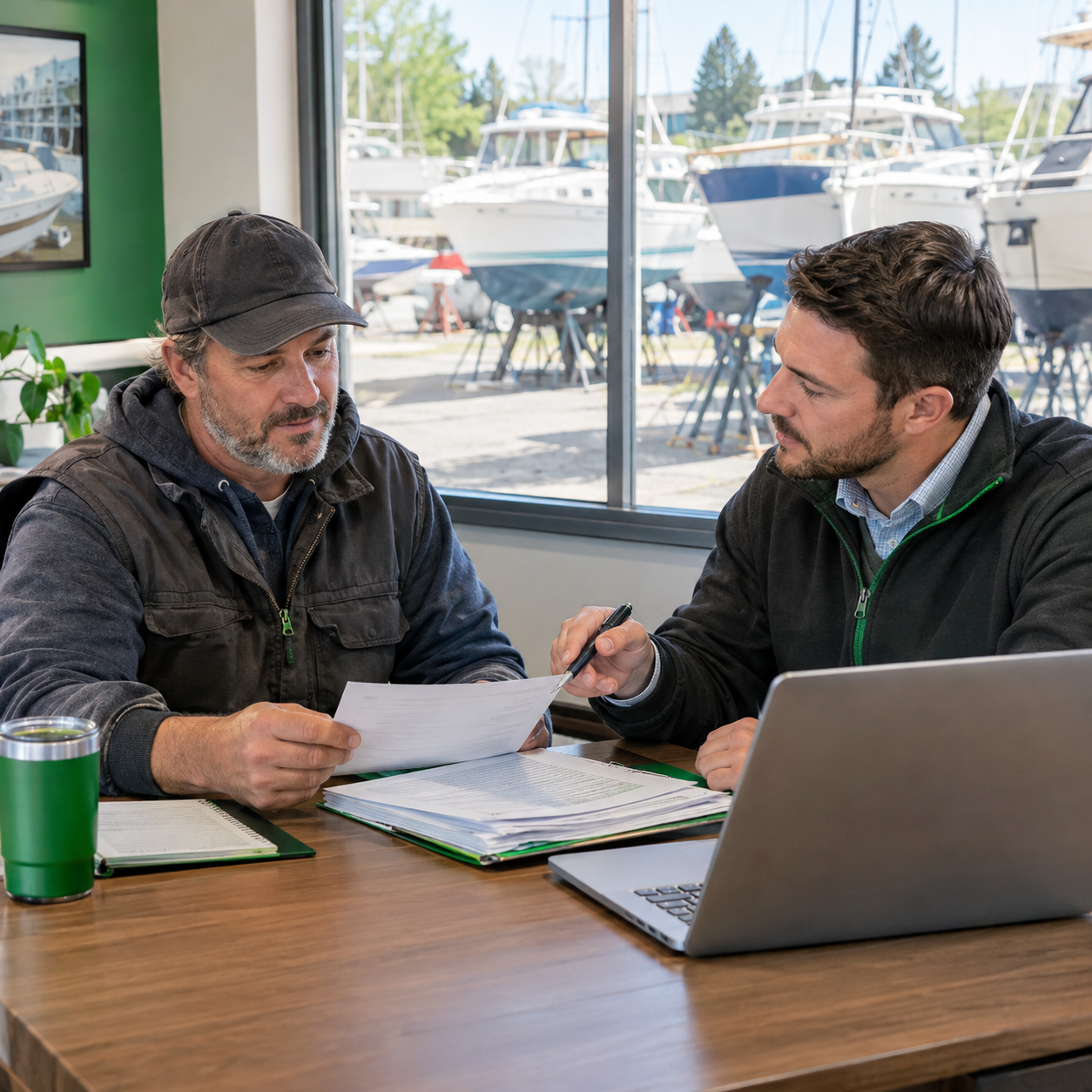
Boat yard insurance can refer to insurance for businesses that store, service, repair, launch, or maintain boats. Depending on the policy, coverage may address property damage, liability claims, and certain risks involving customers’ vessels while they are in a boatyard’s care. Boat owners who keep their vessels at a yard should understand that the yard’s business insurance does not automatically replace the owner’s own boat insurance. A yard’s policy may protect the business under specified circumstances without covering every loss to a customer’s boat. Coverage depends on policy wording, exclusions, limits, and the circumstances of a claim. Owners should ask the yard what insurance it maintains and what responsibilities remain with the boat owner. Businesses should also evaluate their specific operations, including storage, repairs, lifting, launching, and work performed on customers’ vessels. Understanding these distinctions can help both boat owners and yard operators identify potential gaps in protection.
Types of Coverage Relevant to Boat Yards
Boat yard insurance can involve several types of protection, depending on the business and the services it provides. General liability insurance may help cover certain claims involving bodily injury or property damage to others. Property insurance may protect eligible buildings, equipment, tools, and other business property against covered losses. Marine-related coverage may address boats in a business’s care, custody, or control, subject to the policy terms and any applicable limitations. Businesses that repair or maintain vessels should review whether their insurance addresses risks arising from their work. Workers’ compensation may also be relevant when employees are injured while performing job duties, subject to applicable state law. Not every policy includes all these protections, and some risks may require separate coverage or endorsements. Boat owners should also review their own vessel policy instead of assuming the boatyard’s insurance will cover every accident, theft, or instance of damage.
Factors That Influence Boat Yard Insurance Costs
The cost of boat yard insurance depends on the business’s operations, location, property, claims history, and selected coverage limits. A facility that stores many boats or performs complex repairs may face different risks from a yard that provides limited storage services. Insurers may also consider the value of vessels handled, the equipment used to lift or move boats, employee activities, and safety procedures. Buildings near water may face additional property risks depending on their location and construction. Deductibles, exclusions, policy limits, and the types of coverage selected can also affect premiums. Businesses should provide accurate information about their operations when requesting a quote. Comparing premiums alongside coverage details helps operators understand what each policy offers. The lowest price may not provide adequate protection for a business’s actual exposures.
Policy Details Boat Owners and Yard Operators Should Review
Before selecting insurance, boat owners and yard operators should review coverage limits, deductibles, exclusions, conditions, and claim requirements. They should confirm when a boat is considered to be in the yard’s care and whether loading, unloading, lifting, transportation, repairs, and storage are covered activities. Policy wording may limit protection for particular types of property, work, or circumstances. Owners should clarify responsibility for damage that occurs while a boat is stored or serviced. Yard operators should also check whether subcontractors, employees, and specialized equipment create additional insurance needs. Written contracts can describe responsibilities between the yard and the boat owner, but contracts do not automatically expand insurance coverage. Reviewing the insurance policy and service agreement together can help identify important differences. When a term is unclear, asking the insurer or a qualified insurance professional for clarification is better than relying on assumptions.
How Digital Insurance Tools Help with Boat Yard Insurance
Digital insurance tools can help business owners begin researching coverage and preparing information for an application. Instant online quotes may provide an initial indication of available pricing, while instant online binding may allow eligible applicants to activate coverage electronically when the insurer’s requirements are met. An instant online insurance proposal can summarize proposed limits, conditions, and premiums for review. These steps are not interchangeable, and submitting an application or receiving a proposal does not necessarily mean coverage is active. Applicants should verify the final terms, any outstanding requirements, and the policy’s effective date before relying on the insurance.
Instant Online Quotes
Instant online quotes can help boatyard operators begin comparing insurance options. Accurate details about the business’s services, location, property, equipment, and work involving customers’ boats can help insurers assess the request. Applicants should compare the proposed limits, exclusions, deductibles, and covered activities rather than selecting a policy based on price alone.
Instant Online Binding
Instant online binding may let eligible applicants put coverage in force electronically once they meet the insurer’s requirements. However, completing an online form does not necessarily mean the insurer has bound the policy. Applicants should confirm acceptance, the effective date, any remaining requirements, and the insurer’s confirmation before assuming coverage has begun.
Instant Online Insurance Proposal
An instant online insurance proposal can summarize proposed coverage, limits, conditions, and pricing. Reviewing the proposal helps applicants assess whether the suggested protection matches their business operations or boating needs. Before accepting an offer, they should examine the policy documents and clarify any exclusions or limitations that could affect a future claim.
Practical Steps for Choosing Boat Yard Insurance
Choosing appropriate insurance starts with understanding the risks associated with the boatyard or the boat’s storage and maintenance arrangements. Boat owners should ask what protection the yard maintains and review their own policy for relevant coverage gaps. Yard operators should assess their property, equipment, employee activities, customer vessels, and contractual responsibilities. Comparing multiple options can help clarify differences in premiums, coverage limits, exclusions, and deductibles. Applicants should provide accurate information and review all policy documents before making a decision. An insurance professional can help explain unfamiliar terms and identify questions that need clarification. Careful review makes it easier to choose coverage that reflects the actual risks involved.
For Instant Boat Insurance Quote, visit: https://diamondbackins.com/boat-insurance-instant-online-quote/.