

Diamondbackins is an instant online quote and purchase platform for commercial auto and trucking coverage, and the right next step is simple: gather your vehicle schedule, driver records, and DOT number, then get an instant quote in 10–15 minutes. For standard owner-operators and small fleets with clean records, you can compare bindable options and secure coverage the same day. If your operation involves hazmat, new authority under 24 months, or recent large claims, prepare for broker escalation instead.
Two trust signals worth confirming before you bind: the carrier’s AM Best financial strength rating (A- or better is the floor) and same-day bind availability for your risk profile. FMCSA sets the federal liability minimums that every admitted carrier must meet, so any quote you receive is already built on that regulatory foundation.
- Clean MVR and loss history? Start with an instant quote now.
- New authority, hazmat, or recent claims? Prepare a full submission for broker review.
- Unsure? Run the instant quote first, then escalate if no admitted-market offer appears.
Key Takeaways
Instant online quotes from Diamondbackins give owner-operators and standard fleets a same-day path to bindable commercial trucking coverage, with full-coverage premiums typically ranging from $8,000–$12,000 annually for clean-record profiles.
| Point | Details |
|---|---|
| Start with an instant quote | Standard profiles with clean records get bindable options in 10–15 minutes online. |
| Match limits before comparing price | Standardize liability, cargo, and deductibles across every quote to avoid misleading comparisons. |
| Verify AM Best rating | Only bind with carriers rated A- or better to confirm claims-paying capacity. |
| Prepare loss runs and MVRs | Complete submissions produce more accurate quotes and better admitted-market placement. |
| Escalate complex risks to a broker | New authority, hazmat, or recent large claims require specialist placement; Diamondbackins routes these accounts accordingly. |
Table of Contents
- How does the Diamondbackins instant-quote flow work?
- Who should use instant quotes and when does a broker make more sense?
- What coverage types do you need to compare on every quote?
- What prices and payment terms should you expect?
- How do you compare quotes so you’re evaluating the same coverage?
- What happens after you purchase a policy online?
- What trust signals should you verify before binding online?
- Why instant quotes are the right first step, not the only step
- Diamondbackins gets you from quote to binder the same day
- Sources
How does the Diamondbackins instant-quote flow work?
The platform returns bindable quotes for standard profiles in minutes, automating the rate math, form selection, e-signature, and binder issuance so you spend your time reviewing options, not filling out paper forms.
Here is the step-by-step sequence:
- Enter company information. Legal business name, DOT number, years in business, and operating states.
- Add vehicle and driver data. VIN, truck type, GVW, and driver MVRs. Pull DOT/SAFER printouts in advance.
- Select coverage types and limits. Primary liability, physical damage, cargo, bobtail, and uninsured motorist. The platform presents options side by side.
- Review and compare quotes. Multiple carrier options appear simultaneously. Check limits, deductibles, and endorsements before price.
- Bind and pay online. E-signature and secure payment complete the transaction. An electronic binder issues the same day for eligible profiles.
According to MoneyGeek’s commercial truck insurance data, online quotes take about 10–15 minutes, agent-reviewed quotes return in 24–48 hours, and broker-shopped placements typically take 3–7 business days. That time gap matters when a shipper needs a certificate today.
Have these documents ready before you start: vehicle schedule with VINs and GVW, motor vehicle records for all drivers, DOT/SAFER printout, and five years of loss runs if your operation has prior claims. The platform automates the rate calculation once you supply accurate inputs, so incomplete data produces inaccurate quotes.
Understanding what drives your trucking insurance rates before you start the quote process helps you anticipate where the platform will ask the most questions.
Who should use instant quotes and when does a broker make more sense?
Instant quotes work best for owner-operators and standard small fleets with clean records. The platform surfaces competitive, admitted-market options fast for these profiles. Certain risk characteristics, however, push a submission outside the appetite of most instant-quote carriers.
Ideal fit for the instant-quote route:
- Clean MVRs across all drivers (no major violations in the past three years)
- Local or regional operating radius with standard dry-van or flatbed freight
- Established continuous coverage with no significant gaps
- No active FMCSA interventions or CSA failures
- Loss history that is minimal or absent
Situations that call for a broker or specialty market:
- New authority under 24 months (most admitted carriers decline or surcharge heavily)
- Hazmat or oversized/heavy-haul operations
- Recent large liability or cargo claims
- CSA Crash or Unsafe Driving BASIC percentiles in alert territory
- Operations requiring non-standard forms or manuscript endorsements
A specialist broker simplifies trucking and fleet coverage by pre-screening carriers and sequencing submissions to protect your admitted-market standing. According to Anvo Insurance’s carrier market guide, correct carrier fit and a complete submission can save roughly 25–45% versus a misplaced account that lands in the excess and surplus market.
What coverage types do you need to compare on every quote?
Every quote comparison must include primary liability, physical damage, cargo, bobtail/non-trucking liability, and uninsured motorist coverage. Comparing on price alone without matching these lines produces a misleading result.
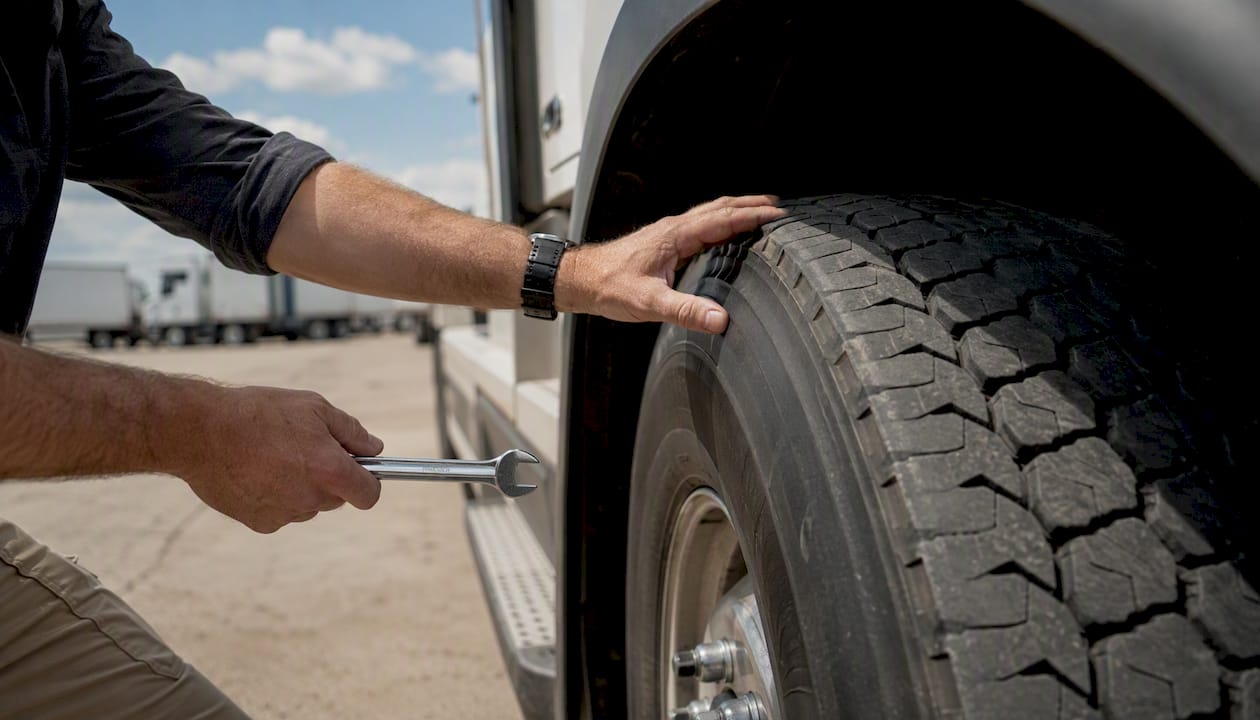
FMCSA sets the federal liability floor at $750,000 for many interstate general freight haulers, but brokers and shippers routinely require this as a practical minimum. Quoting at the regulatory floor may leave you unable to accept loads from major shippers.
Beyond the core lines, verify these endorsements and sublimits on every quote:
- Trailer interchange agreement (if you pull non-owned trailers)
- Reefer breakdown sublimit (refrigerated cargo operations)
- Driving-other-vehicles coverage
- Radius restrictions and whether your actual operating area is within them
- Loss-sensitive features such as deductible buy-downs or retros
For a full breakdown of required coverages and compliance obligations, the transportation insurance guide at RideScouts is a practical reference. You can also review what every trucking business needs to know about insurance for a compliance-focused overview.
What prices and payment terms should you expect?
A standard owner-operator running general freight with a clean record can expect full-coverage annual premiums in the range of $8,000–$12,000, according to MoneyGeek’s truck insurance rate data. That range shifts materially based on cargo type, operating radius, CSA history, and loss runs. Hazmat, auto-hauling, and flatbed operations with complex freight typically price above that band.
CSA scores and loss history are among the strongest predictors of which pricing tier you land in. A fleet with documented telematics data and a safety program often qualifies for better rates because underwriters can verify the risk rather than estimate it.
Payment structure matters as much as the annual premium. Key terms to review:
- Down payments typically range from about one-fifth to nearly one-third of the annual premium
- Paying annually rather than monthly can save a noticeable share of the premium when that option is available
- Monthly installment plans often carry per-payment fees that add to total annual cost
- Premium-finance arrangements through a third party carry their own interest rate and cancellation terms
Factor in non-premium costs before finalizing: surplus-lines tax if the policy is placed in the E&S market, filing fees, and cancellation penalties if you need to adjust mid-term. For a detailed breakdown of trucking insurance down payment options, review the payment structure before you bind.
How do you compare quotes so you’re evaluating the same coverage?
Always standardize limits, deductibles, and endorsements across every quote before comparing price. A lower premium on a quote with a $25,000 physical damage deductible is not cheaper than a higher premium with a $5,000 deductible once you account for out-of-pocket exposure.
Follow this sequence when reviewing quotes side by side:
- Confirm primary liability limits match across all quotes.
- Verify cargo limits and any sublimits for specific commodity types.
- Align physical damage deductibles.
- Check that the same endorsements are included (trailer interchange, bobtail, etc.).
- Review payment terms: down payment percentage, installment fees, and annual-pay discount.
- Score each carrier on AM Best rating, claims handling reputation, and policy form clarity.
Pro Tip: Request quotes from at least three sources: an online marketplace, a trucking-focused broker, and a relevant association program if you qualify. This reveals the market range and confirms whether the instant-quote price is competitive or an outlier.
For a structured comparison checklist built for trucking fleets, the Diamondbackins resource walks through the side-by-side process step by step. The Strong Tie comparison guide also covers how to account for down payments and installment fees in the total annual cost calculation.
What happens after you purchase a policy online?
An instant bind issues an electronic binder and policy documents the same day for eligible profiles. That binder is your proof of coverage and the document shippers and brokers will request immediately.
Expect these deliverables after purchase:
- Electronic binder (available within minutes for instant-bind profiles)
- Full policy packet with declarations page and endorsements
- Certificate of insurance for shippers, brokers, and port authorities
- Premium invoice and payment schedule
Agent-reviewed placements typically deliver policy documents within 24–72 hours rather than immediately. Once you receive your documents, complete these steps without delay: store the binder in a secure, accessible location, send certificates of insurance to every broker and shipper who requires them, set up your payment method to avoid a lapse, and add any new drivers to the policy before they operate a covered vehicle.
What trust signals should you verify before binding online?
Always confirm carrier financial strength, state licensing, secure payment processing, and clear policy wording before you bind. A low premium from an unfamiliar carrier is not a bargain if the company cannot pay a claim.
Minimum verification checklist:
- AM Best rating: A- or better confirms the carrier has the financial strength to pay large claims
- State licensing: Verify the carrier is admitted in your operating states through your state’s Department of Insurance
- Policy form availability: You should be able to read the actual policy form, not just a summary
- Claims contact: Confirm a 24/7 claims number and an online claims portal exist before you need them
- E-signature and secure payment: Look for SSL encryption and a recognized payment processor
- E&S disclosure: If the policy is surplus lines, the carrier is not backed by your state’s guaranty fund
Carriers whose rates look dramatically lower than the admitted market are often either surplus-lines placements with higher minimums and no guaranty-fund protection, or offshore carriers with limited claims-paying capacity. Verify AM Best and state licensing on every quote before price becomes the deciding factor. The Diamondbackins carrier partners page lists the admitted carriers available through the platform.
Why instant quotes are the right first step, not the only step
Instant quote platforms surface competitive, bindable options fast for standard risks, and that speed has real value. A fleet manager who needs coverage by end of day to accept a load cannot wait three to seven business days for a broker-shopped placement.
What the instant-quote route does not replace is the judgment a specialist brings to a complex account. For a new-authority carrier or an operation with recent claims, the platform may return no admitted-market offers, which is itself useful information: it tells you the account needs broker placement before you waste days waiting. The practical approach is to run the instant quote first, use the result as a market benchmark, and escalate to a broker only when the account is genuinely complex or the platform returns no competitive admitted options. Transparency about your risk profile, including accurate CSA data and complete loss runs, produces better quotes on any channel.
Diamondbackins gets you from quote to binder the same day
Diamondbackins delivers instant online quotes and same-day bind for eligible commercial auto and trucking risks, aggregating options from multiple admitted carriers so you compare real, bindable coverage in one place rather than calling five agents.
The platform handles multi-carrier aggregation, e-signature, binder issuance, secure payment, document upload, and certificate generation. Licensed agent support is available when a quote needs a second look or an account requires broker-style handling. Hazmat, new-authority, and E&S placements are routed to the appropriate channel rather than forced into an instant-quote mold.
The next step is straightforward: get your instant truck insurance quote today, or review the trucking insurance explained guide if you want to confirm coverage requirements before you start.
Sources
Use these authoritative references to confirm minimums, ratings, and pricing benchmarks independently:
- Get Commercial Truck Insurance Quotes (2026 Rates)
- Federal Motor Carrier Safety Administration (FMCSA)
This article provides general information about commercial trucking insurance and is not a substitute for professional insurance or legal advice. Confirm current regulatory requirements with FMCSA and verify carrier licensing with your state’s Department of Insurance before binding any policy.